- (€) EUR
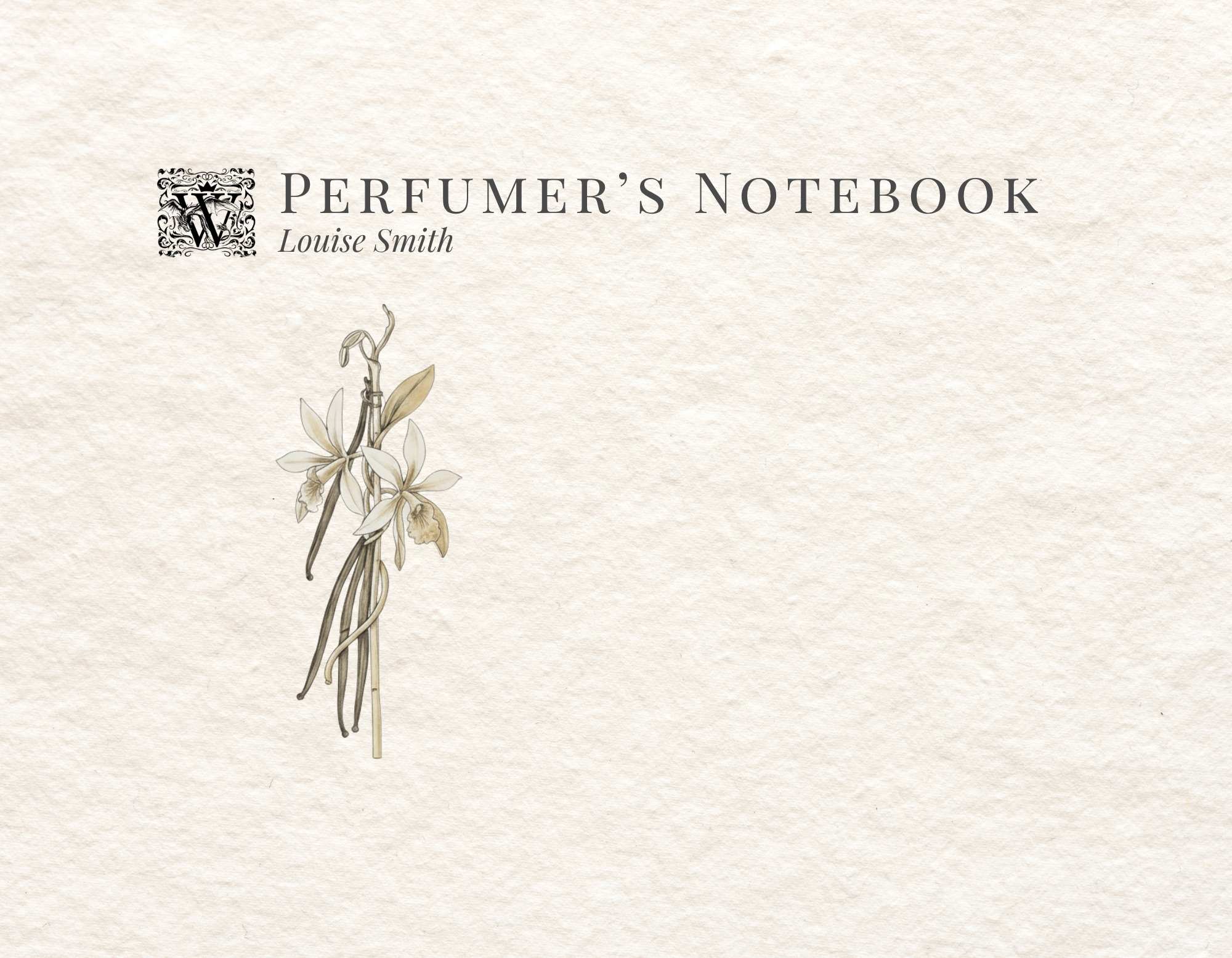
Vanilla in Niche Perfumery
Vanilla in perfumery is one of those materials that does something to people the moment they smell it. It reaches straight into memory evoking birthday cake at a childhood party, ice cream by the sea on a summer afternoon, something warm and sweet from the kitchen on a winter evening. In perfumery, that emotional resonance is exactly what makes it so powerful, and so endlessly interesting to work with.
At a glance: Vanilla in Niche Perfumery
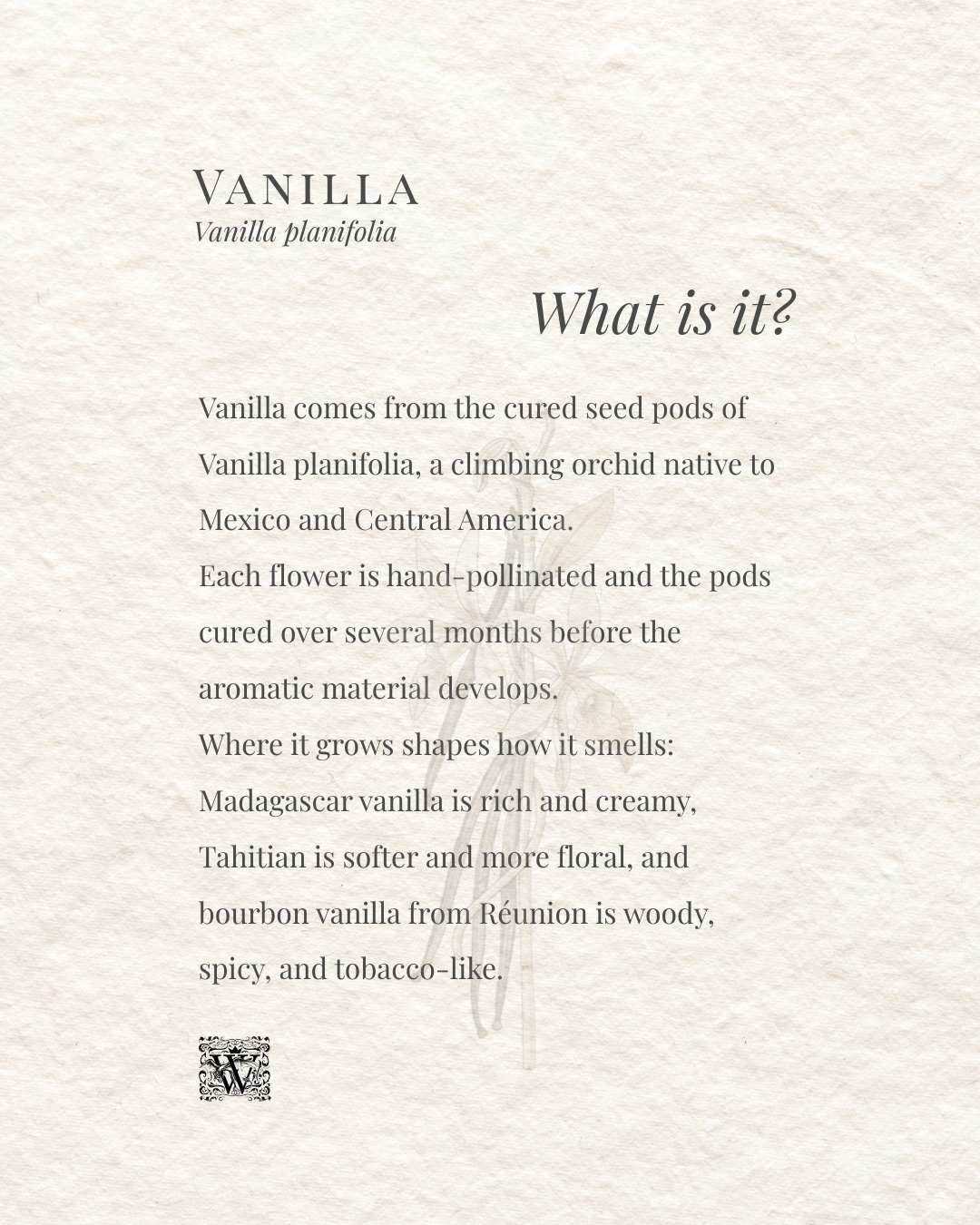
- Extracted from the cured seed pods of Vanilla planifolia, a climbing orchid native to Mexico and Central America
- Scent profile varies significantly by origin: creamy and soft, fruity, floral, leathery, or in the case of bourbon vanilla, woody and spicy with tobacco-like depth
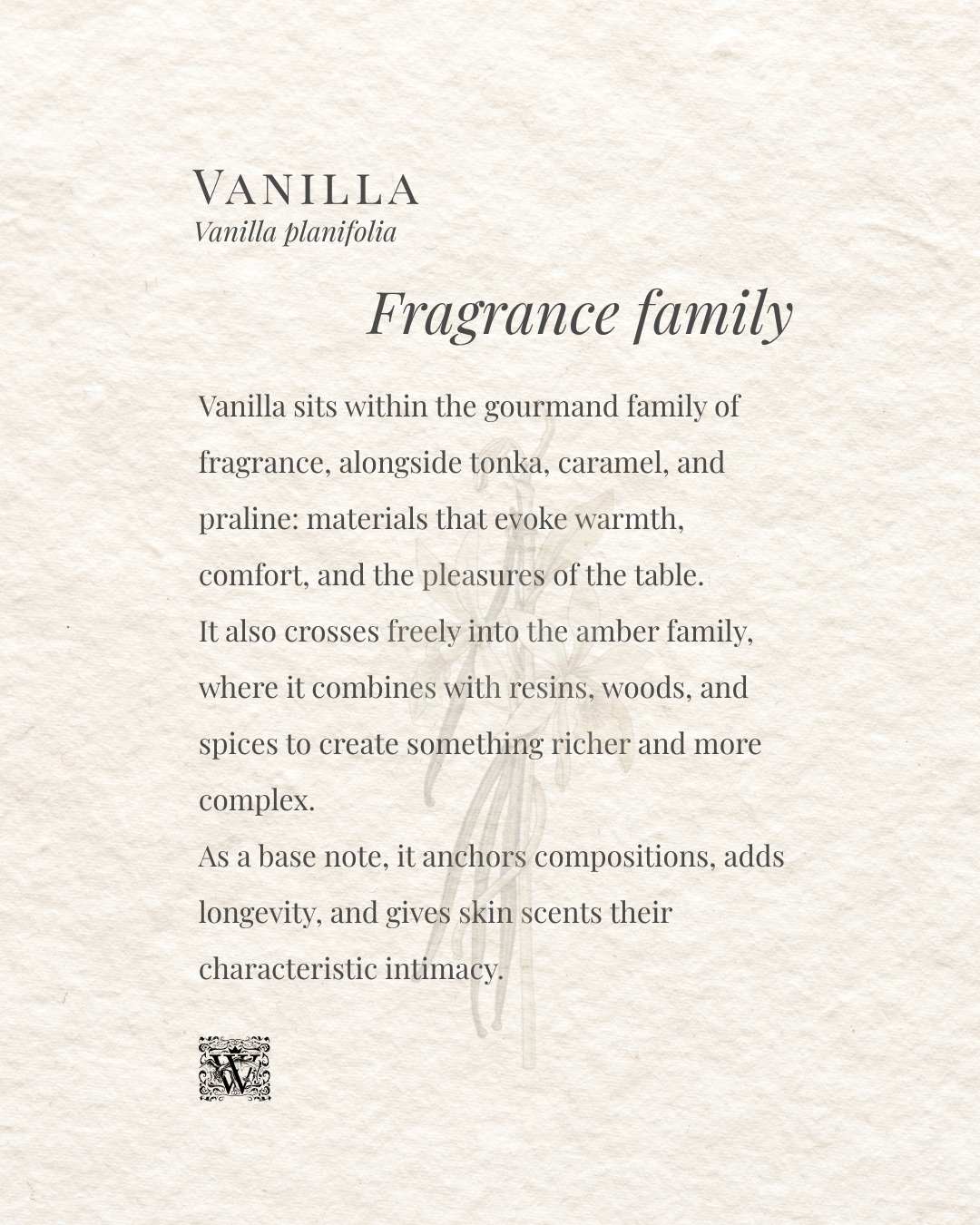
- Sits within the gourmand fragrance family, though it crosses freely into amber, floral, and woody compositions
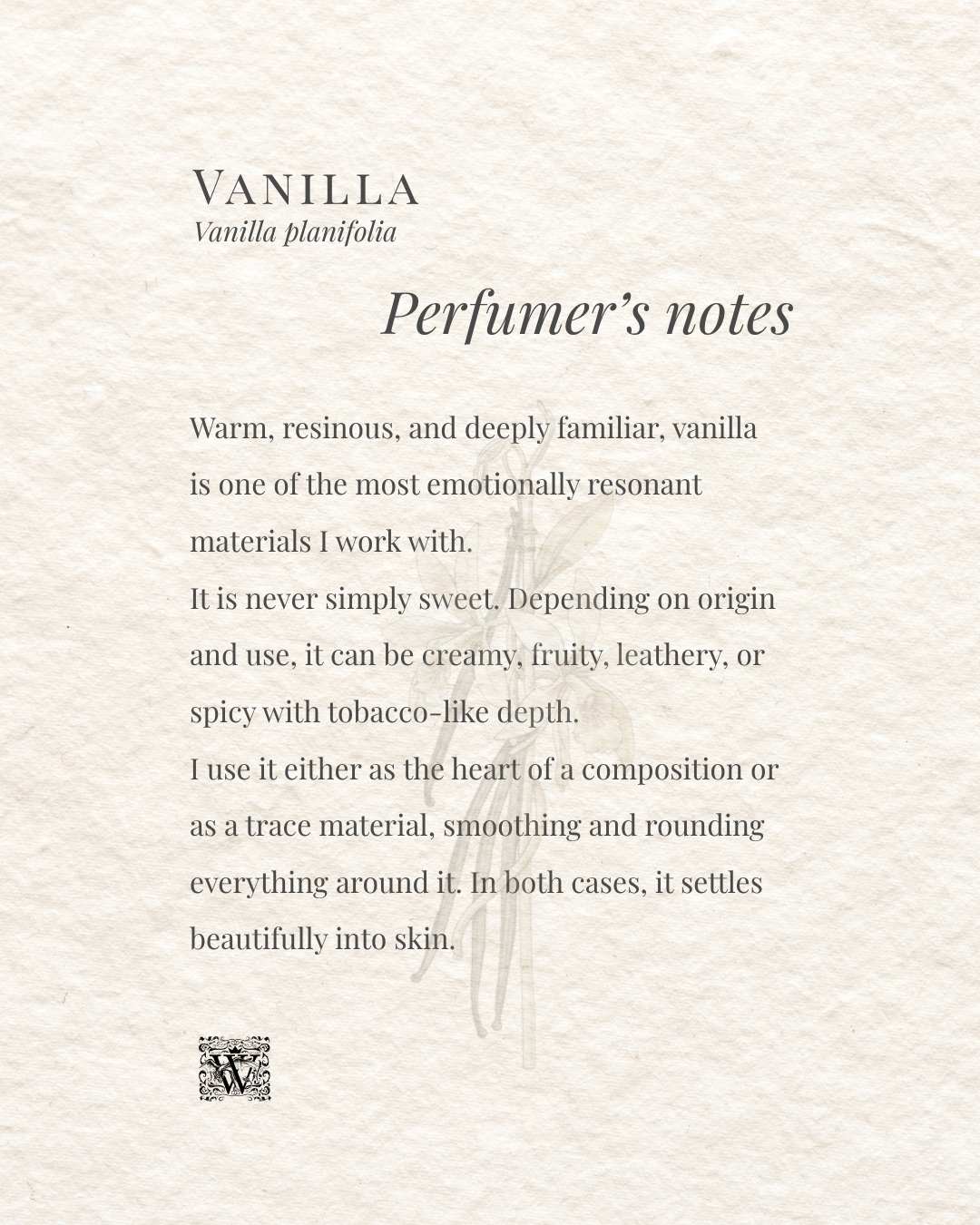
- Used in perfumery either as a dominant note or as a trace material to smooth, round, and soften other elements
- One of the most widely used materials in perfumery, appearing in everything from mass-market fragrance to the finest niche compositions
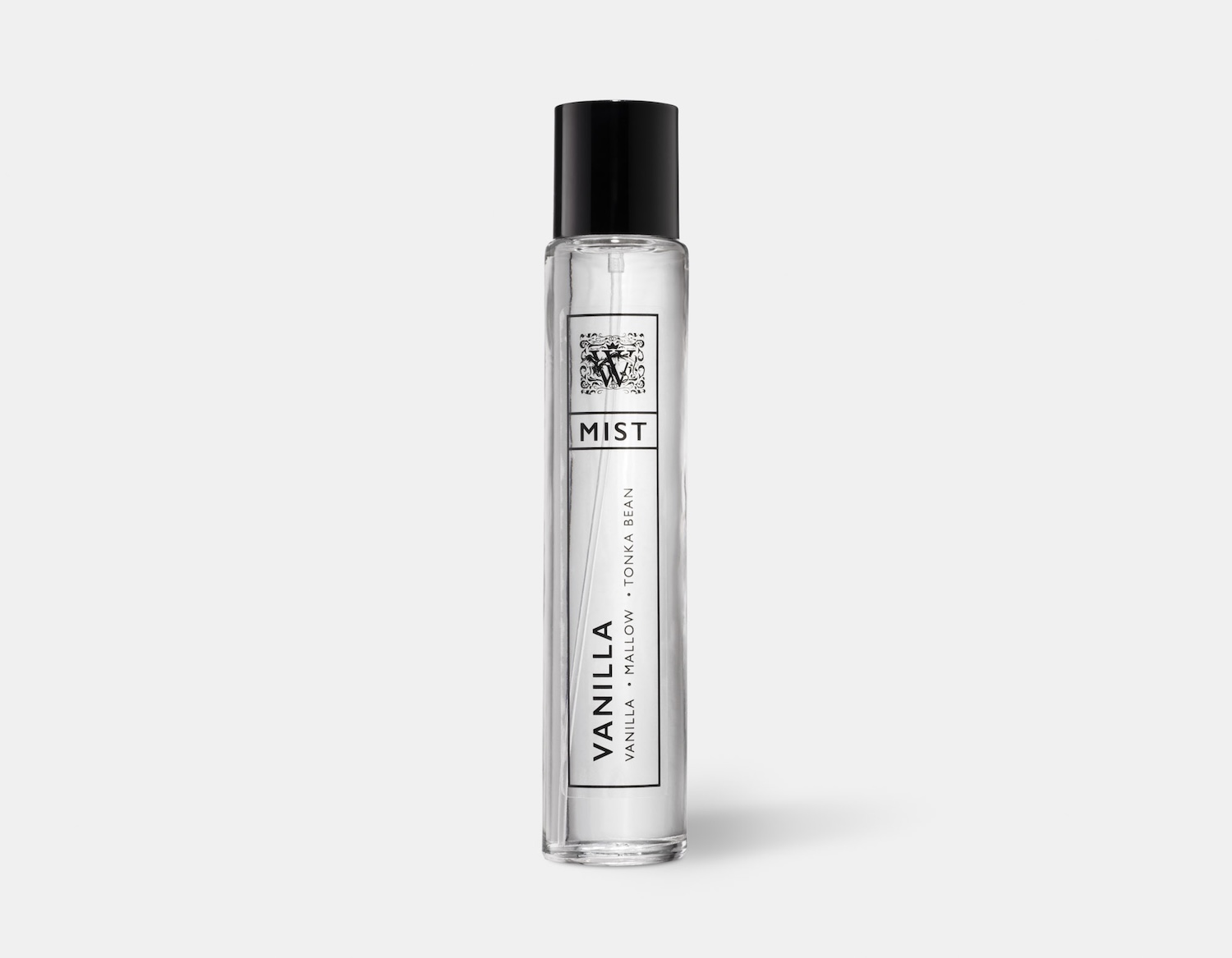
- Found at Wales Perfumery in Vanilla Layering Perfume, the Vanilla Hair and Body Mist, Silures from The Celts Collection, and the Spices home fragrance range
What is Vanilla in perfumery terms?
Vanilla comes from the cured seed pods of Vanilla planifolia, a climbing orchid that originates in Mexico and Central America. It was first used by the Totonac people of Mexico, later adopted by the Aztecs, and brought to Europe by Spanish explorers in the sixteenth century. Today it is cultivated across Madagascar, Tahiti, Indonesia, and beyond, and where it grows has a significant effect on how it smells.
Madagascar vanilla tends to be rich, creamy, and sweet. Tahitian vanilla is softer and more floral, with a slightly fruity quality. Indonesian vanilla can be smokier and earthier. And bourbon vanilla, grown on the island of Réunion, formerly known as Bourbon, can veer into woody, tobaccoey, and spicy territory that feels a long way from the sweet vanilla of the baking cupboard.
That range is part of what makes vanilla so fascinating to work with. It is never just one thing.
How I use Vanilla in niche perfumery
Vanilla is one of those materials I keep coming back to. It evokes such strong emotions for so many people: birthday cake from childhood parties, ice cream at the beach, that particular comfort of something warm and familiar. In perfumery, that emotional power is something to work with carefully.
I use vanilla in two very different ways. Sometimes it is the star of the composition, present in generous amounts, warm and skin-close and unmistakably there. Other times it is barely visible, just a trace to smooth everything off, to round the sharp edges of other materials and bring a sense of cohesion to the whole.
The vanilla I chose for Vanilla Layering Perfume sits firmly in the first camp, but it is not an overdose. It is not sweet, not sickly, not candy. It is comforting. That hint of vanilla that reminds you of a childhood ice cream at the beach, close to the skin, soft, and effortless to wear.
In Silures from The Celts collection, vanilla plays a very different role. There it sits quietly in the base alongside guaiacwood and oak, providing warmth and depth beneath the osmanthus absolute and foraged berry accord at the heart. It is the reason Silures has that particular richness in the dry down, present, but not announcing itself.

Vanilla in perfumery is warm and comforting
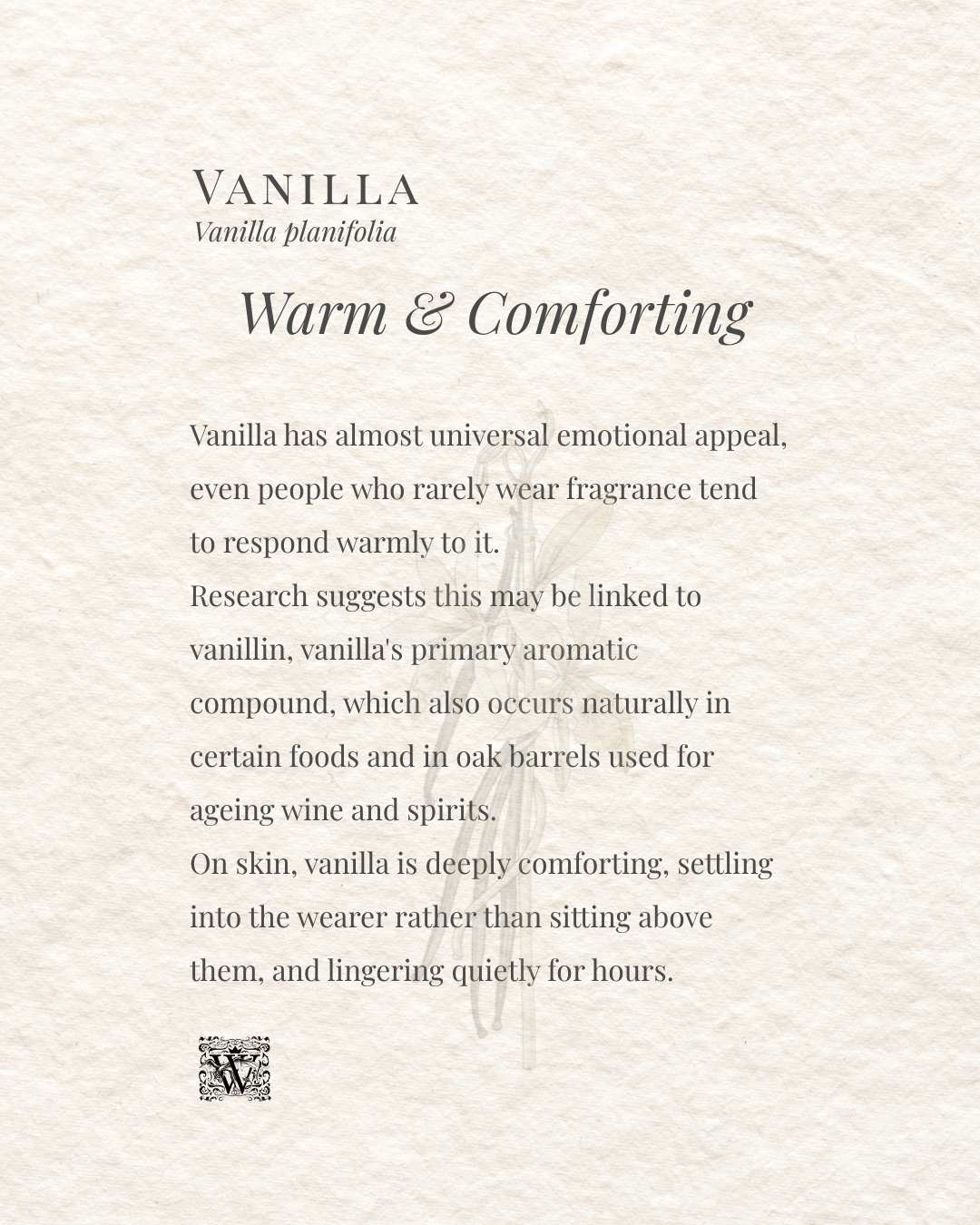
Vanilla has a quality that very few fragrance materials share: almost universal emotional appeal. People who claim not to like perfume will often respond warmly to vanilla. It bypasses the analytical mind and goes straight to feeling.
That comforting quality comes partly from vanillin, the primary aromatic compound in vanilla, which is also found naturally in certain foods and in the oak barrels used for ageing wine and spirits. In perfumery, this warmth makes vanilla extraordinarily versatile. It can anchor a composition, add depth to a floral, balance the sharpness of citrus, or turn a woody fragrance into something genuinely skin-like and wearable.
How Vanilla works in niche perfumery
In mainstream fragrance, vanilla often appears in its sweetest, most straightforward form: the recognisable warmth of countless commercial perfumes. In niche perfumery, the approach is more considered.
Because the material varies so significantly by origin and extraction, a niche perfumer can choose a vanilla that brings something specific to a composition. A fruity, light vanilla behaves very differently from a deep bourbon vanilla with its tobacco and wood undertones. The choice shapes not just the scent but the character of the whole fragrance.
Vanilla also has excellent longevity on skin. It is one of the materials that tends to stay close and linger, which is part of why it works so well as a base note and why skin scents built around vanilla have such a distinctive quality. You stop noticing it and then someone leans close and asks what you are wearing.
What fragrance family is Vanilla in?
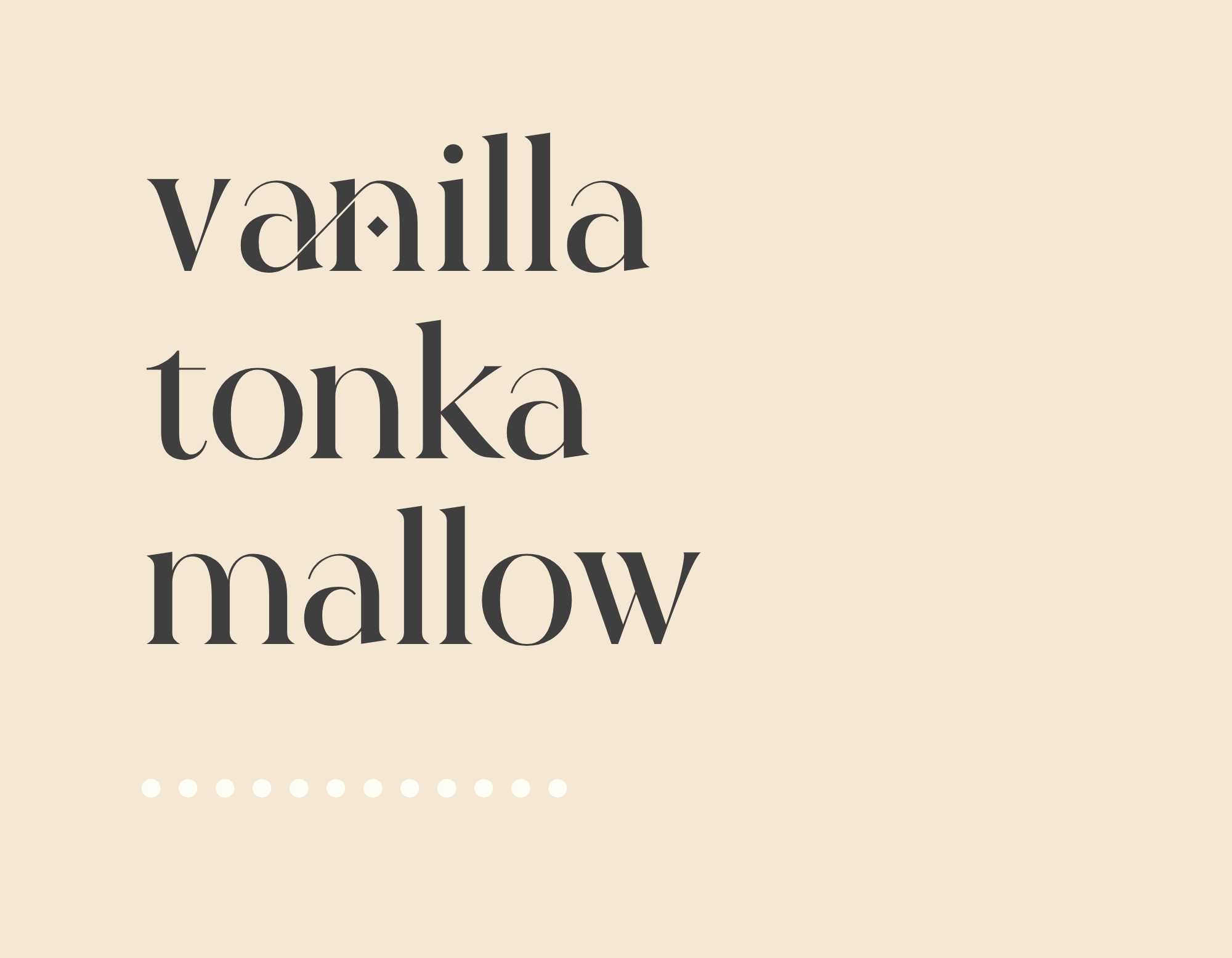
Vanilla sits within the gourmand fragrance family, a category that encompasses scents evoking edible, dessert-like qualities. Vanilla, tonka, caramel, chocolate, and praline are all characteristic gourmand materials.
That said, vanilla crosses freely into other fragrance families. It appears in amber fragrances, where it combines with resins, spices, and woods. In Spices, our home fragrance, vanilla sits in the base alongside tonka and amber, exactly that warm, resinous territory where gourmand and amber meet. It softens florals and adds depth to musks. In the hands of a skilled perfumer, vanilla is less a category than a conversation, always in dialogue with whatever surrounds it.
From my perfumer’s notebook
My vanilla formula began as a base I created for students to work with during perfume-making workshops here at the Perfumery. It was so popular with everyone who used it that I just had to offer it as a fragrance in its own right, and the Vanilla Hair and Body Mist was born.
It is warm and comforting without being sickly, and it works beautifully both on its own and as a layering piece. It quickly became one of our best sellers, and I completely understand why.
Vanilla Layering Perfume takes the same formula into a full Eau de Parfum. The same soft, musky vanilla heart, with a little more depth and longevity on skin. The two are designed to be worn together: Vanilla Eau de Parfum first then the mist on top, for the warmest and most long-lasting result. Read my blog to learn more about how to layer perfume and body mist.
Louise Smith
from my Perfumer’s Notebook
I regularly share material deep dives, lab notes, and the stories behind my fragrances over on Instagram. If you enjoyed getting to know Vanilla, there’s plenty more to explore about the materials I work with every day.
Come and follow along, I’d love to share more of the world behind the bottle.